While traditional art meccas such as New York and London continue to attract major exhibitions and high-profile collectors, new collecting hubs are emerging in Asia, the Middle East and South America, bolstered by growing wealth and public incentives. In many ways, they are enriching the art world’s landscape by adding fresh perspectives to the existing discourse.
Korea
In Korea, the country’s biggest private corporations are well-known patrons of the arts – Samsung, Hyundai and Amore-Pacific have all founded museums, for instance. Meanwhile, the number of art fairs have ballooned to more than 100 in recent years, including the Korean International Art Fair (Kiaf) and Frieze Seoul. In the public sphere, the National Museum of Modern and Contemporary Art has four branches across Seoul, while the total number of galleries shot to over 831 in 2022, a 75% increase from 2019.
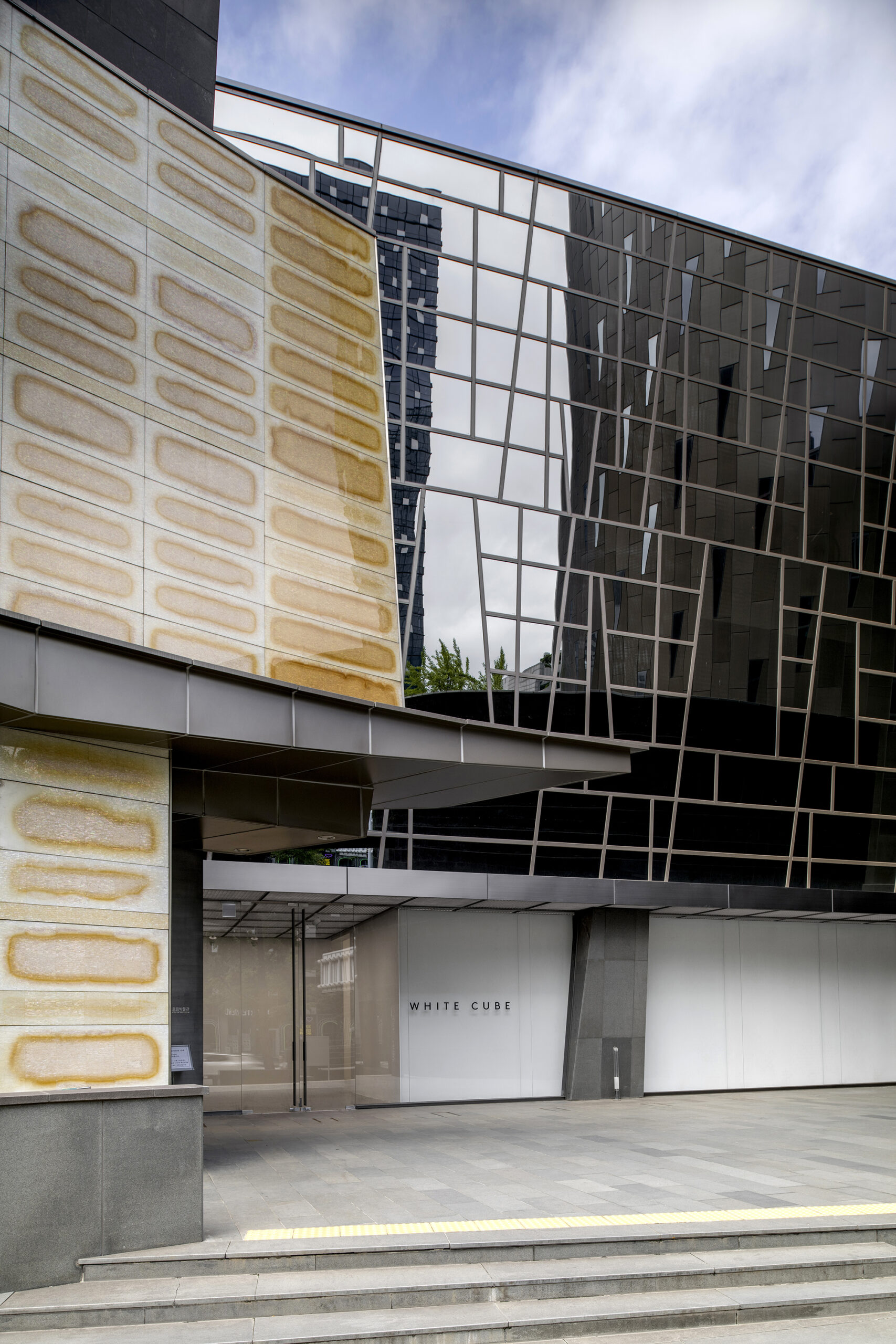
Still, the stigma exists that art is only for seasoned collectors. “Many thought galleries were for collectors only,” says Jini Yang, managing director of White Cube Seoul. Samsung’s former chairman Lee Kun-hee was notoriously private about his art collection. When he passed away in 2020, Lee’s family donated some 23,000 works to the Korean government to help pay off a US$10.8 million inheritance tax bill. For the first time, the Korean public caught a glimpse of what he was collecting: Picasso, Monet, alongside local artists such as Lee Ahm.
“It ignited the imagination of a generation of aspiring collectors in Korea,” says Yang. “The MZ [millennials and gen Z] generation wanted to know the type of art Lee was collecting, and from there, they started engaging with art more.” Unlike more seasoned collectors though, the younger generation tends to see art collecting as a part of their lifestyle – “in the same way that they’d buy a fashion piece.”
As for what they’re collecting? Many of Yang’s younger clients want to start with Korean artists, including those associated with the Dansaekhwa art movement. Park Seo Bo and Lee Ufan are just a few of the Korean artists White Cube represents.
Art collecting in Korea is also bolstered by the advantageous tax policy. There is currently no import tax for art in Korea – except for photography, where there is a 10% tax – making it one of two places in Asia (the other being Hong Kong) with this exemption.
United Arab Emirates
The United Arab Emirates (UAE) might be better known for oil, but the country is increasingly gaining a reputation for its art collections. One government that is actively luring some of the world’s biggest museums is Abu Dhabi’s Department of Tourism and Culture.
Located on the northern part of the city, Saadiyat Island is already home to Louvre Abu Dhabi, and the Guggenheim Abu Dhabi and Zayed National Museum are slated to open in 2026. The Abu Dhabi Art fair is growing at its own pace, attracting over 100 galleries for the first time in 2024. While not as flashy as Art Basel, its value lies in the mix of Middle Eastern and international galleries collectors won’t find elsewhere.
“Collectors in the Middle East have quite diversified tastes,” notes Arman Lam, gallery director of Hanart TZ Gallery, a Hong Kong based gallery that has exhibited at Art Abu Dhabi since its inaugural edition in 2007. Bringing a mix of contemporary and modern Chinese ink works to the fair last year, Lam adds, “They appreciate Chinese ink art, and there is an understanding of the visual language.”
Fabio Rossi from Rossi & Rossi concurs: “The market [in the UAE] is expanding, as is the knowledge and curiosity of its visitors.” Besides Abu Dhabi, cities like Dubai and Sharjah are also carving out their own niche.
“Dubai tends to be more commercially-oriented whereas Sharjah has a more ‘curatorial’ and ’scholarly’ approach,” Rossi notes. With expats making up 87% of its population, Dubai has a diverse art buying base. The city’s Alserkal Avenue is home to a spate of local and international galleries, and there are rumours that the city will soon be attracting outposts of international galleries.
Meanwhile, Sharjah Biennale is the region’s longest running biennale, often inviting curators from the Middle East, Africa and Asia. Past editions have included Yuko Hasegasa from Japan and Okwui Enwezor from Nigeria.
Despite the brand name associations, the UAE isn’t aspiring to create a replica of western art scenes. One has to remember that the Emiratis aren’t new to art collecting, with local foundations such as the Farjam Collection in Dubai and Barjeel Art Foundation in Sharjah.
As dialogue opens up between local foundations and museums like The Guggenheim and The Louvre, they’re also shaping collecting and programming in the region.
“These institutions hire globally-educated advisors who have their own perspectives, who are trying to find their own definition of contemporary art. One of the most interesting things happening is how (East) Asian contemporary art and Middle Eastern art can engage in dialogue,” notes Lam.
India
The last few years have seen the Indian art market boom, not least because of the country’s growing wealth. Where there’s been a relative lack of public funding, private collectors and patrons have filled the gap.
Kiran Nadar founded Kiran Nadar Museum of Art in 2010; in Mumbai, Nita Ambani opened the Nita Mukesh Ambani Cultural Centre in 2023. The most recent edition of the Indian Art Fair in New Delhi saw 120 exhibitors, while Art Mumbai attracted 71 galleries for its inaugural edition in 2024.
“There’s definitely a lot of opportunity in India,” says Amanda Hon, managing director of Ben Brown Fine Arts Hong Kong. For its inaugural participation in Art Mumbai, the gallery exhibited works by the likes of Picasso (“people came over just to look at his work on paper”), Robert Indiana, as well as younger artists such as Yoan Capote. Hon was pleasantly surprised by how well-received his fish hook paintings were.
“I think one similarity that India and Asia appreciate is really good craftsmanship, so when they saw all the little fish hooks nailed onto the wooden panel that made it look like the sea, they appreciated that,” she notes.
Rossi also sees opportunity in the India market. “We visited several collectors’ homes while we were in Mumbai and were impressed by the quality and diversity of their collection,” he says. Rossi’s gallery exhibited Nepalese artist Tsherin Sherpa, who proved popular among local collectors. “It was very well received and we sold a few pieces to private and institutional buyers, including Kiran Nadar Museum.”
Italy
In another part of the world, politics and economics in one country appears to be another country’s gain. Brexit and tax rises have led the British ultra-high-net-worths to flee the city. Some of them have landed in Italy, which has one of the most favourable tax regimes in Europe for the uber-rich. There, ultra-high net-worth individuals (UHNWIs) only have to pay a lump-sum of €200k for non-Italian source income.
While Milan might still be better known as Italy’s fashion capital, it’s increasingly home to contemporary art. Brera Modern opened late last year after decades of renovations. One of the most anticipated openings of 2025 – Austrian stalwart Thaddaeus Ropac – is opening at the Palazzo Belgioioso in the fall.
Now in its 29th year, the 2025 edition of Milan’s international modern and contemporary art fair (Miart) was its biggest and most international yet, with 179 galleries from 31 countries participating – a testament to local appetite for emerging artists.Milan also benefits from its proximity to Venice, which hosts the world’s oldest art biennale.
Brazil
With interest in Latin American art growing, Brazil is poised to be at the centre of the action. It hosts one of the region’s largest art fairs, SP-Arte. In fact, Bienal de São Paulo is the world’s second oldest biennale after the Venice Biennale.
Despite challenges – the country’s ministry of culture was shut down by the Bolsonaro government in 2019 and only reinstated by the Lula government in 2023 – the Brazilian art scene appears to be charging forward.
According to the Brazilian Association of Contemporary Art, the Brazilian Art Market grew 21% year-on-year in 2023. The Museu de Arte de São Paulo will finally unveil its US$43 million expansion this year, and Adriano Pedrosa’s curation of the Venice Biennale in 2024 also spotlighted the country’s creative talent.
Brazilian collectors have always been passionate about collecting local art, and there are signs that tastes are also broadening, with the inclusion of more black and Indigenous artists in exhibitions.
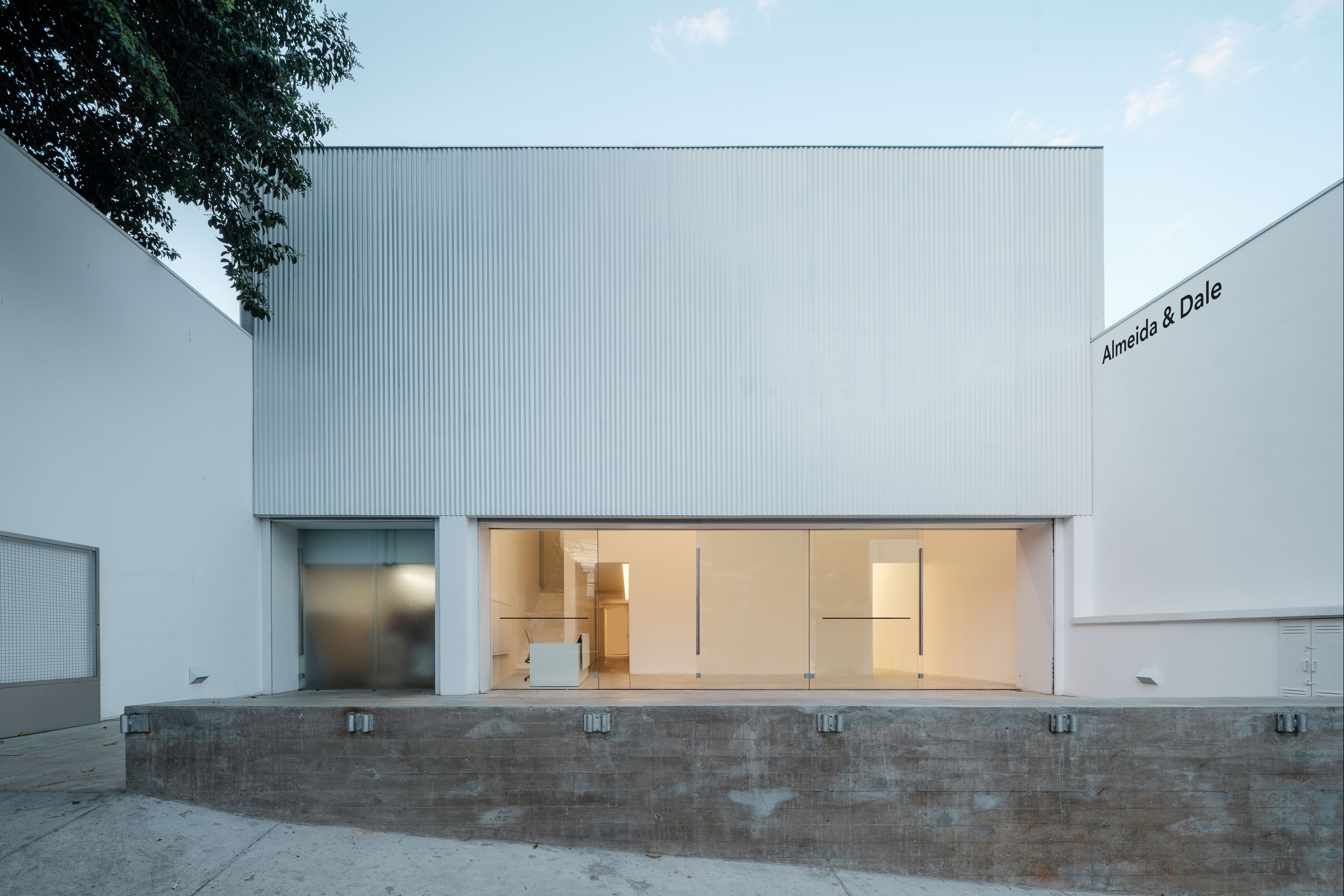
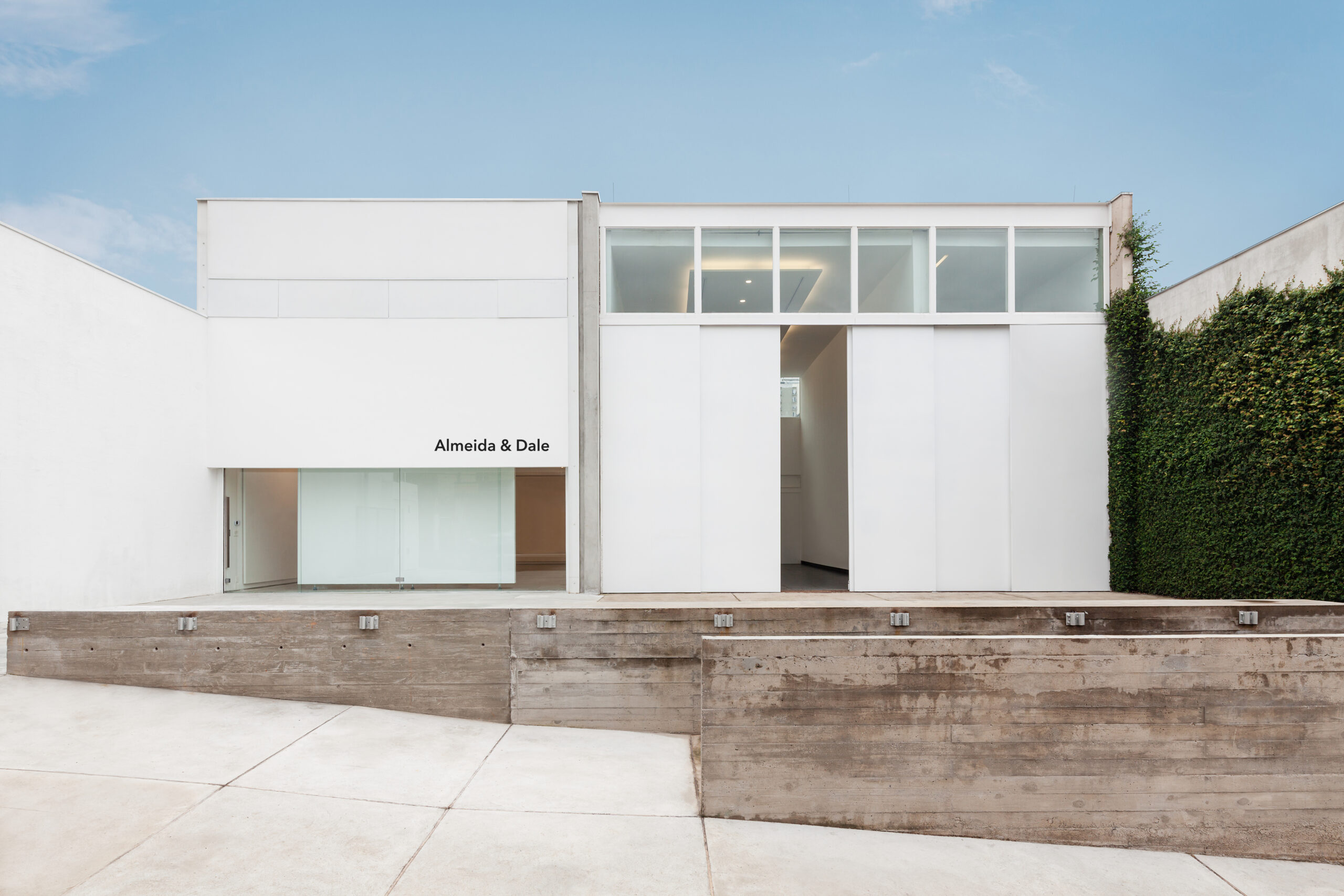
Antonio Almedia, partner director at Almeida & Dale gallery, notes that galleries and museums from the central-west, north-east and north of the country are “becoming part of the itineraries of Brazilian and international collectors.”
For him, the acquisition of Millan gallery (which operates in the primary art market) by Almeida & Dale (which operates in the secondary art market) means that the gallery can better support the diversification that’s happening.
“Through collaborations with diverse cultural agents […] [we want to] promote a more interconnected art ecosystem that truly reflects Brazil’s rich cultural and geographical diversity.”

Stay Curious
As Porsche SCOPES Comes to Toronto, Featured Artist Alyssa Alikpala Offers a Sneak Peek
The main stage at Porsche SCOPES may need more grass. Before festivities even begin, it’s already

The Comfort of Classic Movies in Uncertain Times
Lines stretching around the block to get into a screening at the Toronto International Film Festival
Lilly Singh Breaks Taboos in Doin’ It
Breaking boundaries is second nature for Lilly Singh, the Indian-Canadian actor, writer, producer an