
This Q&A is part of our TCI Talks series, where we interview third-culture individuals about how they navigate different spaces and cultures.
Evelyn Chick is a Toronto-based beverage expert, author, and serial entrepreneur who founded hospitality company Evelyn Chick Projects Inc., cocktail and snack bar Simpl Things and event space Ahma.
What kind of Third Culture individual are you?
I’m a first-generation immigrant who moved to Vancouver at 13. Since I attended international schools in Hong Kong, where I was born, I integrated quite quickly into my predominantly Western and affluent Vancouver neighbourhood. When I moved to Toronto, a much more diverse landscape, I reconnected with my heritage.
How has growing up across multiple cultures shaped what “home” means to you?
I’ve travelled all around the world and I believe that home isn’t just a place; it’s a feeling. Home is where I can break bread, be honest and feel like I can be myself. I used to think I had to define heritage by geography or ancestry, but now I see it as the values that I carry through everything I do: the hustle, grit, generosity, warmth and hospitality.
Can you describe a tradition that you feel connected to at this time of year?
My grandfather owns a seafood restaurant in Hong Kong, and my grandmother loves to cook. Around the holidays, we gather around food. Whether it’s a big dinner or something as simple as wrapping dumplings together, it’s about taking the time to connect with loved ones. I love the unspoken way people move around a kitchen—that communal rhythm. Everyone drops by the house for hours on end to snack and have tea.

How do food, music, language, celebrations or rituals play a role in keeping cultural memory alive for you?
Food and beverage is my anchor. It’s the easiest way for me to connect to my roots. Every recipe I make has a piece of my history in it, which is why some of my beverage recipes [for my bar and restaurant Simpl Things or my sip-and-snack festival, Feastie] are so unique; the flavours are woven with memories, even when I don’t plan it that way.
How has growing up across multiple cultures shaped what “home” or “heritage” means to you?
I’ve travelled all around the world, and believe that home isn’t just a place, it’s a feeling. Technically, Vancouver is where I spent most of my life, but now, I feel Toronto is my home. Home is where you can truly break bread, be honest, and feel like you can be yourself. I used to think I had to define heritage by geography or ancestry, but now I see it more as values that carry through everything I do. My Asian heritage has [given me foundational values] I doubt I would have absorbed [growing] up in North America.
How do you balance preserving traditional practices from your “home” cultures alongside integrating practices from the places you’ve been?
I think of it less as balancing; it’s more like layering. I’ll [preserve the core] of certain traditions, but reinterpret them [based on] where I am now. The foundation stays the same, but the details and how you [live out] certain values change. I’ve learned that culture [travels] with us — being able to [carry the spirit of one place] into another city, another ‘home,’ is what makes us unique. Some people might say I’ve adapted extremely quickly to North American culture, but I think adaptability is something I learned as a kid.

How have you (or your family) passed on traditions to younger generations (siblings, children, nieces/nephews)?
My family are excellent hosts, so the traditions I remember often centre on large dinners where we [welcome others in]. We seem to tackle most things while cooking together or doing something meaningful, like travelling.
Thinking ahead, what traditions do you hope to preserve or start in your life (or for your children)?
Contrary to my family’s wishes, I don’t think having children is in my future. I believe in preserving community and in the power and tradition of gathering. And I want to celebrate new traditions that foster creativity and openness, where people can be who they are without needing to fit into a single representation of culture.
This interview has been edited for length and clarity.

Stay Curious
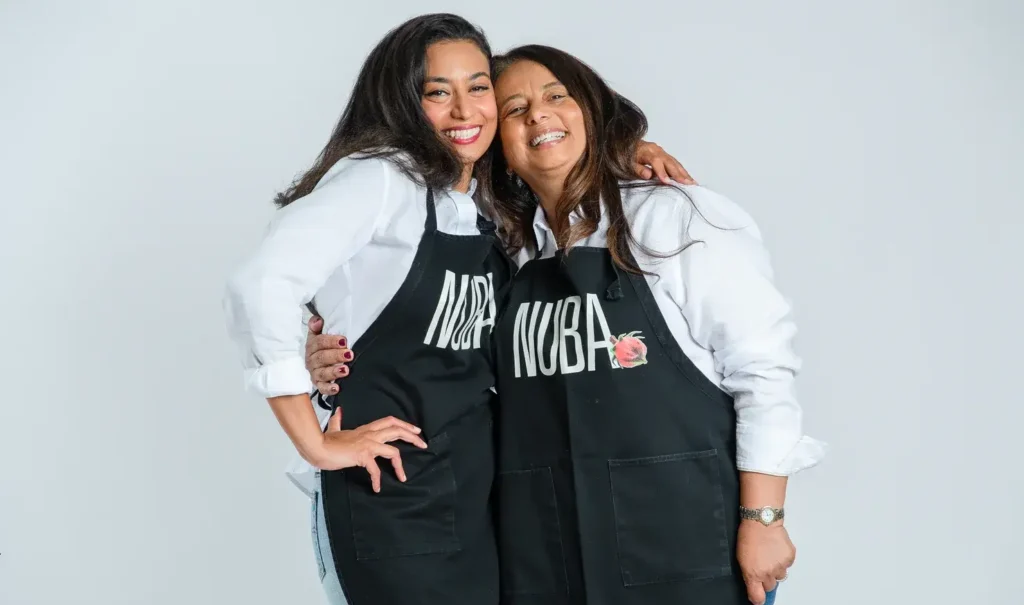
How Nuba Tisane, an Egyptian Family Business, Brought Homemade Hibiscus Tea to Market
For founder Amal Soliman and her daughter Gina El Kattan, food and agriculture are woven so intricat

These Desi Musicians Are Defining Indo-Canadian Music
Desi music is surging around the world, and especially in North America. (Canada is #3 of the top fi

The Quest to Fight Loneliness With Real-Life Connection
Pro tennis player Alexander Zverev inadvertently became a high-profile example of the emptiness of s

