
What began as a niche pursuit among vintage watch collectors and horology enthusiasts has grown into a thriving global market. Today, buying a second-hand luxury watch is easier and more accessible than ever.
Online marketplaces, trusted resellers, and international auction houses have opened up what was once an exclusive world, inviting a whole new generation of watch enthusiasts to get a taste of mechanical craftsmanship and heritage. But, while access has indeed become easier, navigating the pre-owned luxury watch market still requires patience, a keen eye, and above all, expert knowledge.
Luxury watches are no longer just heirlooms or fashion statements. The numbers tell the story: the global second-hand luxury watch market reached US$25.1 billion in 2024, according to data released by Morgan Stanley. Affluent buyers, especially those in Asia, are treating watches as a serious alternative asset, comparable to art, fine wine, handbags, or even real estate.
“The real turning point was the transformation of the watch industry itself,” says Carson Chan, also known as “The Watch Professor” and an avid watch collector himself. Formerly Asia head of Richard Mille and Chief Advisor for the Fondation de la Haute Horlogerie (FHH), Chan also shares his expertise through WatchProfessorAcademy.com, a site aimed at building confidence among novice collectors through interactive learning.
“Watches are no longer just functional tools. Of course, they need to work, but that’s no longer the main reason people buy them. Think of it like the art market – people collect for emotion, expression, history, and meaning, not just practicality.”
As the market matures, it’s attracting not just collectors but also investors aiming to build long-term portfolios. At its core, the second-hand luxury watch market involves trading timepieces that have had at least one previous owner. These range from vintage rarities to recent releases still under warranty.
For most collectors, the appeal lies in finding a coveted watch that may no longer be available at retail, or scoring a timeless piece at a more attractive price point. But all of these come with risk, which is why understanding the dynamics of this market is crucial.


A GROWING MARKET TO WATCH
The pre-owned luxury watch market is growing rapidly, driven by rising global demand. Market.us estimated its value at US$24.6 billion in 2023, and is projected to reach US$59.9 billion by 2033 at a CAGR of 9.3%. While the North American market remains the largest market, growth is surging in Asia where Grand View Research forecasts a 10.9% CAGR through 2030, fueled by increasing affluence and appetite for luxury goods.
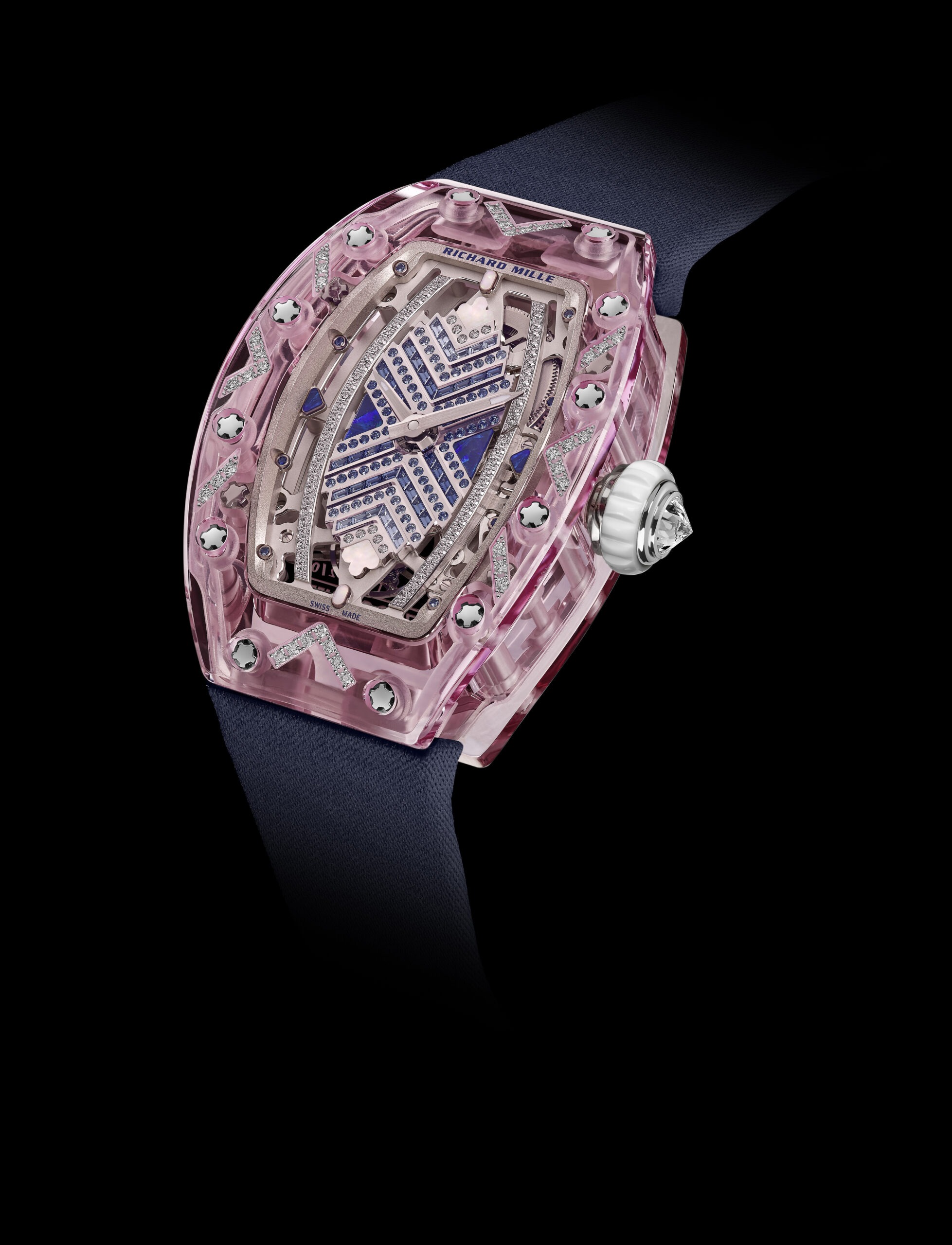
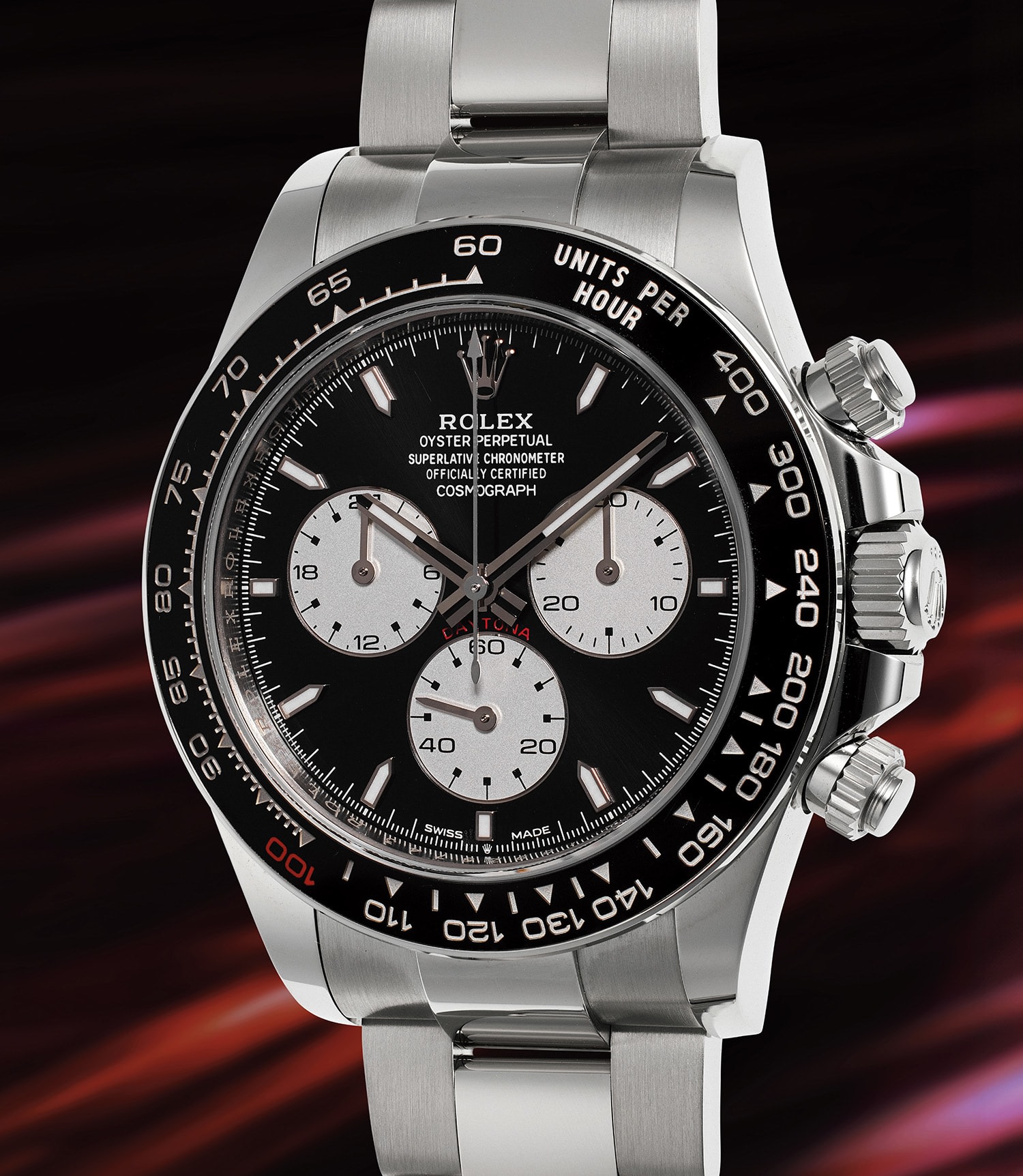
At the same time, watches are increasingly perceived as investment vehicles. Once symbols of status or style, timepieces are now evaluated like financial assets. Scarcity, brand equity, and provenance all play a role in their potential appreciation. For example, a Richard Mille RM11-03 Titanium Chronograph that originally cost CDN$191,000 from 2017 recently fetched nearly CDN$250,000 at Bonhams. A Rolex Daytona “Le Mans” was sold by Phillips in late 2024 for CDN$316,000 – more than four times its original retail price.
Digital platforms have also accelerated growth. Marketplaces like Chrono24 and Watchfinder have made it seamless to browse, purchase, or even trade watches online. Meanwhile, social media has democratised knowledge and built communities where newcomers can learn from seasoned collectors. Sites such as Hodinkee, Monochrome Watches, and Chan’s own WatchProfessorAcademy.com offer educational content to help beginners build a solid foundation. As a result, younger demographics – particularly Millennials and Gen Z – are entering the space with research in hand and a clear sense of identity and taste.
FROM HOBBY TO INVESTMENT
Luxury watches, especially from established “blue chip” brands, have proven their value as tangible assets. Unlike most consumer goods, a well-chosen and well-maintained timepiece can retain – or even grow – its value over time. Performance depends on factors, including the brand prestige, the rarity of the model, historical significance, and the story behind the piece.
“Watch collecting is, first and foremost, a hobby,” Chan says. “Yes, people invest in cars, toys, even musical instruments – but the best collectors all share something in common: deep knowledge and passion. Start by discovering what you like and learn everything about it. With time, the investment side will come naturally. Without that foundation, mistakes can be costly.”
BRANDS TO WATCH
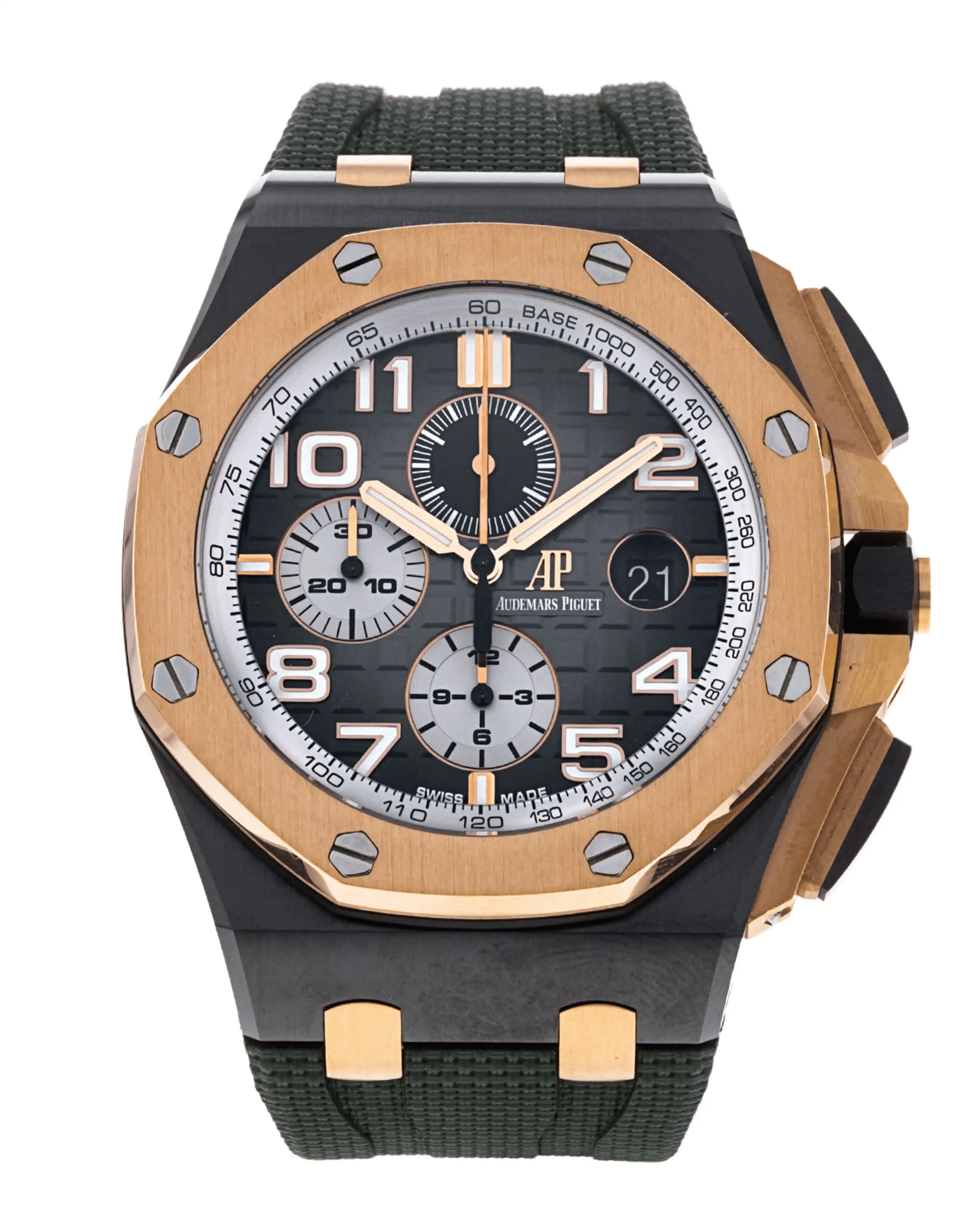
Rolex remains a top choice for the resale market with its Daytona, Submariner, and Explorer models appealing to new and seasoned buyers. Iconic models such as the Patek Philippe Nautilus and Audemars Piguet’s Royal Oak have also surged in popularity, especially among those seeking exclusivity. Scarcity and long waitlists continue to drive collectors to the second-hand space, where they’re willing to pay a premium for immediate availability.
Beyond this trinity, other brands are quickly gaining ground. Omega’s Seamaster and Speedmaster models, especially the limited-edition releases such as the Moon Landing or James Bond tie-ins, have a strong following. Tudor, Rolex’s sister brand, has earned the respect of collectors who view the Black Bay as a compelling option that blends heritage and attainable pricing.
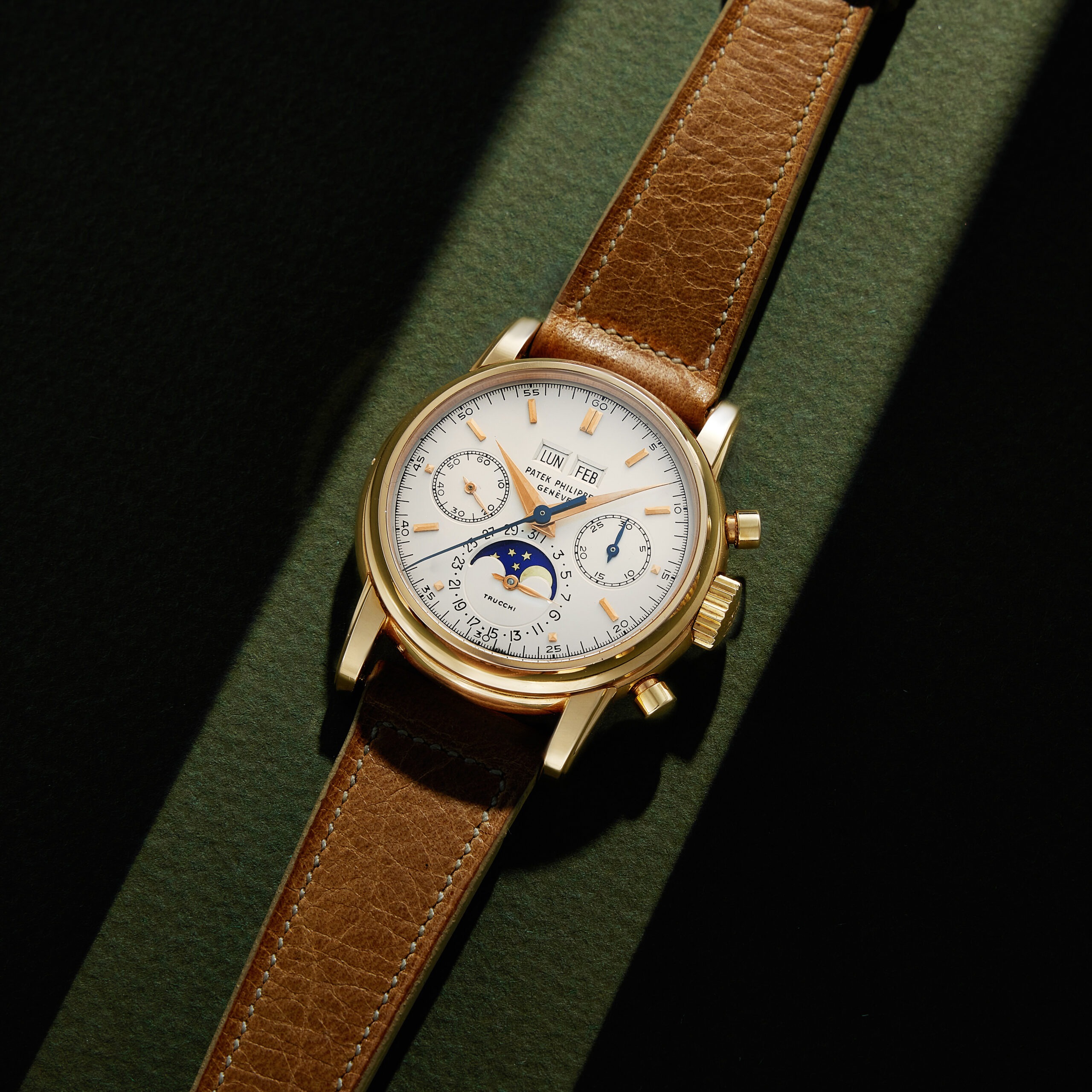
Lesser-known names like F.P. Journe and De Bethune are also gaining traction among serious collectors. Ultimately, your collection should reflect your personal taste. “The key is to study and choose what aligns with your own collecting path,” Chan advises.
PLACE AND TIMING MATTERS
Where you buy matters as much as what you buy. In major cities like London, Miami or Dubai, boutique resellers and authorised pre-owned dealers are a strong starting point. They allow you to inspect the watch in person, offer authentication, and typically include warranty support. These shops often price at a premium, but the security and service they provide can be well worth the peace of mind.
Coexisting alongside these storefronts are digital platforms like Wristcheck, The 1916 Company (formerly Watchbox), and Ken’s Watches. They offer a vast selection, user reviews, and buyer protection services such as authentication and escrow payment. They also allow for easy comparison shopping, which can help you identify pricing trends.
Chan recommends that beginners stick to reputable dealers or established auction houses. “Risk and price move together. Lower risk usually means higher prices; lower prices mean higher risk.

TOP 5 TIPS TO START STRONG IN THE SECOND-HAND LUXURY WATCH MARKET
- Do your homework.
Geek out on luxury watch brands, their heritage and signature models – including their release history, variants, and limited editions. These will give you a better understanding of what drives value, such as rarity, condition, and demand. - Condition matters greatly.
“See the watch in person, especially if you’re new to buying watches. There’s really no substitute for handling the real thing,” Chan advises. Also, look for signs of excessive polishing or mechanical wear and tear. - Find a reputable seller.
Stick to sellers with a clear track record and don’t hesitate to get a second opinion from a professional watchmaker. Reputable sellers are transparent, communicative, and happy to answer questions. Their credibility is your best protection. - Authenticity is non-negotiable.
Besides the watch itself, even small details like screws or clasps should match the brand’s specifications. Chan adds, “Think of it as buying a vintage Ferrari – you don’t want it repainted or fitted with aftermarket parts.” - Don’t overlook the details.
Watch collecting and ownership involves various different fees, so be sure to take into account the full cost of ownership, including servicing, insurance, and any import fees.

Stay Curious

A Return to Refinement: A Look at Fashion’s Renewed Love of Technique
After years of relaxed ’fits, formality is making its return to fashion. Whether on the runway or

Grandma Knows Best: Canada’s Most Stylish Seniors on Mastering Grandmacore
Hot off the heels of Brat summer, the fashion ecosystem shifted towards a fresh yet familiar wave of

Why Hotel Merch Is The Ultimate Travel Flex
A new crop of thoughtfully designed hotel merchandise is easing the pain of leaving a five-star hote

